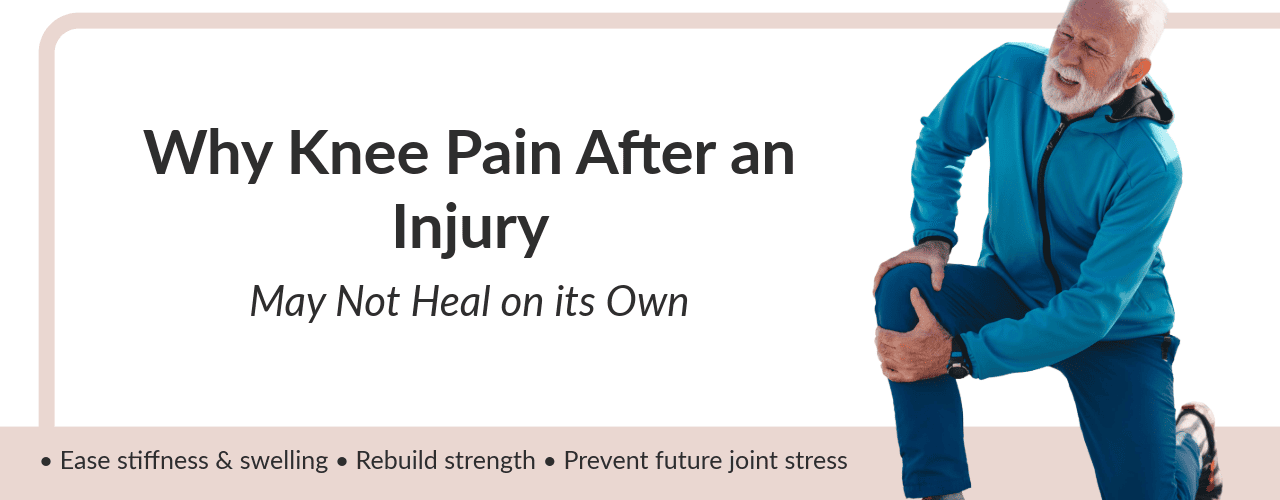
It is easy to assume that knee pain will fade with a little rest and time. Many people try to push through discomfort, hoping it will eventually disappear. But when knee pain after injury lingers for weeks or even months, it often signals that the joint has not healed properly. Without the right treatment, stiffness, weakness, and inflammation can keep returning. Understanding why knee pain sticks around and how physical therapy helps can make all the difference in a full recovery.
The Myth of “It Will Heal on Its Own”
Rest is important immediately after an injury, but relying on rest alone can slow recovery. The body heals best when it moves in the right ways. Prolonged inactivity weakens muscles, stiffens joints, and reduces circulation to the injured area. As a result, healing takes longer, and the knee becomes more vulnerable to reinjury.
Our physical therapists at Fairfield Universal Therapy often see patients who delay treatment, thinking their pain would fade naturally. When that does not happen, it usually means the knee has lost strength or mobility. Over time, these changes can affect how the knee supports the rest of the body, leading to hip, ankle, or lower back pain. The good news is that guided therapy can restore balance and stability, even after weeks or months of lingering pain.
Why Knee Pain After Injury Persists
Persistent knee pain after injury often happens because something beneath the surface has not healed correctly. Some of the most common causes include:
- Ligament strains or sprains that reduce stability
- Meniscus tears that limit range of motion
- Patellar tracking issues that cause pain around the kneecap
- Weak hip or thigh muscles that place extra stress on the joint
These problems often lead to stiffness, swelling, and weakness that make it difficult to move comfortably. When pain limits activity, muscles around the knee begin to weaken, which increases joint stress. This creates a cycle where movement feels harder, and recovery slows even more.
Symptoms that suggest the knee is not healing properly include:
- Pain that worsens when standing or climbing stairs
- Swelling that comes and goes
- A popping or catching sensation in the joint
- Difficulty fully straightening or bending the knee
If these symptoms last more than a week or two, professional care is needed to promote proper healing.
How Physical Therapy Helps the Knee Heal Safely
Our physical therapists at Fairfield, IA specialize in identifying what is keeping your knee from recovering fully. Each treatment plan begins with a detailed evaluation to determine which structures are affected and how they impact your movement. Once the cause is clear, your therapist will create a customized plan that helps the joint heal safely and effectively.
Treatment may include:
- Manual therapy to reduce stiffness and improve joint motion
- Targeted strengthening for the quadriceps, hamstrings, and hips
- Balance and coordination training to restore stability
- Flexibility exercises to improve motion and reduce tension
- Education on proper movement to prevent future injury
This approach helps address the root cause of knee pain after injury, rather than just treating the discomfort. With consistent sessions, most patients notice improved strength, better motion, and reduced pain within a few weeks. Early therapy also prevents chronic stiffness and helps the knee return to normal function faster.
Get Back on Your Feet with Fairfield Universal Therapy
Ignoring knee pain after injury can turn a simple problem into a long-term issue. The sooner you begin treatment, the easier it is to restore movement, rebuild strength, and return to your normal activities. At Fairfield Universal Therapy, our physical therapists guide every step of the recovery process with personalized care and proven techniques that support safe, steady healing.
If your knee still hurts after an injury, do not wait for it to get better on its own. Call Fairfield Universal Therapy today to schedule an appointment and learn how physical therapy can help you move comfortably, confidently, and pain-free again.