The Importance of a Good
Fall Prevention Plan
The Importance of a Good Fall Prevention Plan
Did you know that falls are among the biggest risks to older adults? As we age, we go through several physical, cognitive, and sensory changes that can significantly impact our balance. An impaired balance means a higher chance of falling–and a higher chance of falling makes it more likely that you might suffer a severe injury.
Fortunately, there are several things you can do to improve your balance, no matter your age. At Fairfield Universal Therapy, we offer a dedicated six-week balance and fall prevention plan to address your fall-related risk factors. We’ll help you improve your strength, balance, and stability to stay healthy and active throughout your golden years!
To illustrate just how important a good fall prevention plan is, we want to share the story of a patient who discovered its benefits, a woman we’ll call Carol.
You can also call us if you’d like more personalized information!
Shaken Confidence After a Fall
Carol was 68 when she first visited us. Although she’d been fairly active when she was younger, she developed knee osteoarthritis in her early 60s, which led to her becoming much more sedentary. She struggled to get around her house and complete her daily chores, and her stairs became much more daunting.
One day, Carol suffered a minor fall in her living room. While she wasn’t seriously injured, the accident was a wake-up call, and she made an appointment with the team at Fairfield Universal Therapy to improve her balance and reduce her fall risk.
Carol had good reason to be worried, as she met several criteria for an increased risk of falling:
- A history of falls (falling once doubles the likelihood that you’ll fall again)
- Weak legs and core
- Knee pain and impaired gait from osteoarthritis
After a comprehensive evaluation, we determined that Carol would benefit from our dedicated six-week fall-prevention program. Carol agreed, as her fall had shaken her confidence. While she felt safe performing exercises in our clinic, she worried about performing them at home, fretting that she would injure herself–or worse, fall again. We reassured her that with continued guidance, we could address her fears and give her more confidence to maintain a more active lifestyle.
She was also pleased to learn that our fall prevention program was covered by her insurance plan, allowing her to work with us for minimal out-of-pocket cost.
A Closer Look at Carol’s Fall Prevention Program
With Carol ready to get down to business, we created a customized program that addressed her specific needs:
Pain management helped control her osteoarthritis pain so she could work through her exercises.
We guided her through a dedicated strength training program to restore strength throughout her lower body and core: crucial muscles in controlling balance, particularly for someone living with arthritis.
Progressive endurance training also played an important role in her program, helping her gradually build the stamina to stay active longer.
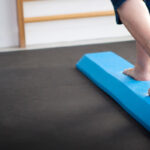
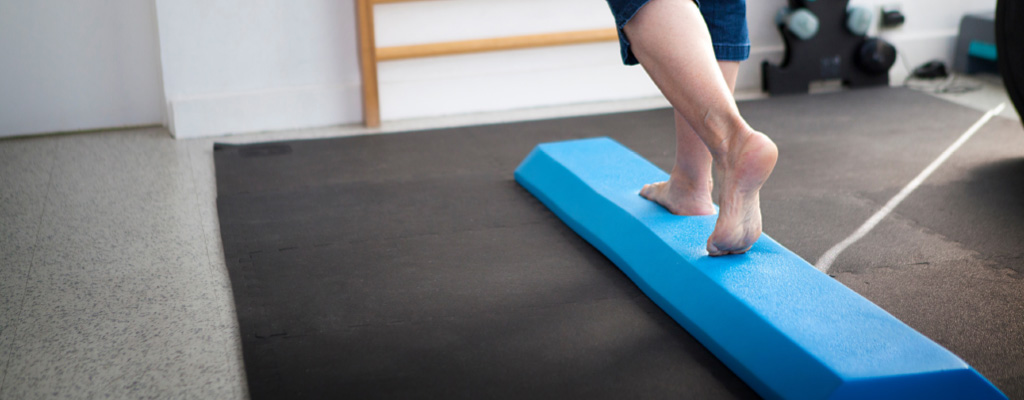
Focused balance training targeted the skills she needed most. We started her off with exercises that challenged her balance without putting her at risk, then increased the intensity as she improved (and Carol loved seeing her progress).
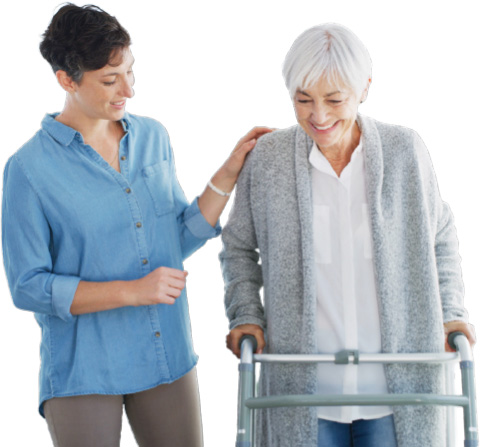
Through gait training, we helped Carol improve her walking pattern, which had been affected by her osteoarthritis. An impaired gait can increase fall risk, and we helped correct these faulty movement patterns to enhance Carol’s overall mobility.
By the end of her program, Carol no longer feared falling the way she had before. In fact, she began taking regular walks in her neighborhood, as the activity helped keep her arthritis symptoms in check. She even enrolled in a local Tai Chi class to continue working on her strength and balance in a fun, supportive environment.
Can Balance Training Help You?
If you’re an older adult with multiple fall risk factors, a fall prevention program at Fairfield Universal Therapy is the key to staying healthy and active. Call us today to learn more!
Recipe of the Month
Best St. Patrick’s Day Crock Pot Irish Stew
This Crock Pot Irish Stew is a hearty, comforting classic that’s perfect for celebrating St. Patrick’s Day. Slow-cooked and full of rich flavor, it’s an easy, cozy meal to enjoy with family and friends. 🍀
Ingredients:
- 2 lbs beef chuck roast, cubed
- 2 large potatoes, peeled and diced
- 2 cups diced carrots
- 1 envelope onion soup mix
- 2 (10¾ oz) cans tomato soup
- 1 soup can water
- 16 oz frozen peas
- salt and pepper, to taste
- parsley, for garnish
20
Cook Time
4-6
Servings

Instructions:
- Combine beef, potatoes, carrots, soup mix, tomato soup, can of water, salt and pepper in Crock Pot.
- Cook on LOW 8 hours.
- Add frozen peas and ¼ cup water.
- Cook on LOW 1 additional hour.
- Garnish with parsley.
You Have the Choice Where You Go for PT, so Choose Universal!
Mental Health and Exercise
Everyone knows that regular exercise is good for the body. But exercise is also one of the most effective ways to improve your mental health. Regular exercise can have a profoundly positive impact on depression, anxiety, ADHD, and more. It also relieves stress, improves memory, helps you sleep better, and boosts overall mood. And you don’t have to be a fitness fanatic to reap the benefits. Research indicates that modest amounts of exercise can make a difference. No matter your age or fitness level, you can learn to use exercise as a powerful tool to feel better.
Exercise and depression
Maintaining an exercise schedule can prevent you from relapsing. It promotes all kinds of changes in the brain, including neural growth, reduced inflammation, and new activity patterns that promote feelings of calm and well-being. It also releases endorphins, powerful chemicals in your brain that energize your spirits and make you feel good. Exercise can also serve as a distraction, allowing you to find some quiet time to break out of the cycle of negative thoughts that feed depression.
Exercise and anxiety
Anything that gets you moving can help, but you’ll get a bigger benefit if you pay attention instead of zoning out. By adding this mindfulness element—really focusing on your body and how it feels as you exercise—you’ll not only improve your physical condition faster, but you may also be able to interrupt the flow of constant worries running through your head.
Exercise and ADHD
Exercising regularly is one of the easiest and most effective ways to reduce the symptoms of ADHD and improve concentration, motivation, memory, and mood. Physical activity immediately boosts the brain’s dopamine, norepinephrine, and serotonin levels—all of which affect focus and attention.
Exercise and PTSD and trauma
Evidence suggests that by really focusing on your body and how it feels as you exercise, you can actually help your nervous system become “unstuck” and begin to move out of the immobilization stress response that characterizes PTSD or trauma. Instead of thinking about other things, pay close attention to the physical sensations in your joints and muscles, even your insides as your body moves. Exercises that involve cross movement and that engage both arms and legs—such as walking (especially in sand), running, swimming, weight training, or dancing—are some of your best choices.


Exercise to Do at Home
BIRD DOG
Start on your hands and knees on a mat or table. Brace your abdominals and keep your back flat. Slowly raise one arm straight out in front of you while simultaneously raising your opposite leg back behind you until both limbs are straight and parallel with the ground. Lower them back down and repeat with your other limbs.
3 Sets, 10 Reps.